
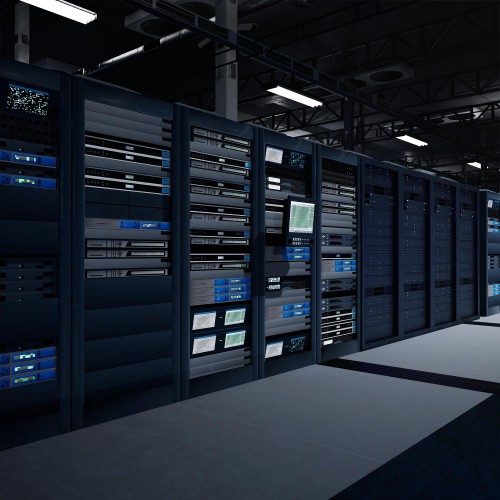
China has reclaimed the top spot in the global supercomputer rankings with its LineShine system, marking a significant achievement in the nation’s quest for technological advancement. This breakthrough underscores China’s strides in developing its domestic computing technology, although experts caution that this does not equate to surpassing the United States in artificial intelligence capabilities.
The LineShine supercomputer, stationed at the National Supercomputing Centre in Shenzhen, features domestically developed chips, enabling it to outpace the previously leading US system. Despite this accomplishment, analysts highlight that traditional supercomputer rankings primarily assess capabilities in scientific computing tasks and do not necessarily reflect performance in modern AI workloads.
While the ranking system focuses on machines designed for scientific applications, many of the world’s most powerful AI systems, built by large technology companies, are not considered in these rankings. Experts emphasize that cutting-edge AI computing relies heavily on specialized chips and extensive data center infrastructure, which are critical components missing from the traditional evaluation metrics.
China’s ascent to the forefront of the supercomputing list signals its dedication to enhancing self-reliance in chip design and computing technology. Nonetheless, the country continues to face challenges due to restrictions on acquiring advanced AI chips, posing obstacles to its AI development endeavors.
The ongoing competition between China and the United States in advanced computing is intensifying, with both nations heavily investing in artificial intelligence, quantum technology, and next-generation computing systems. This rivalry reflects a broader strategic contest to dominate future technological landscapes.