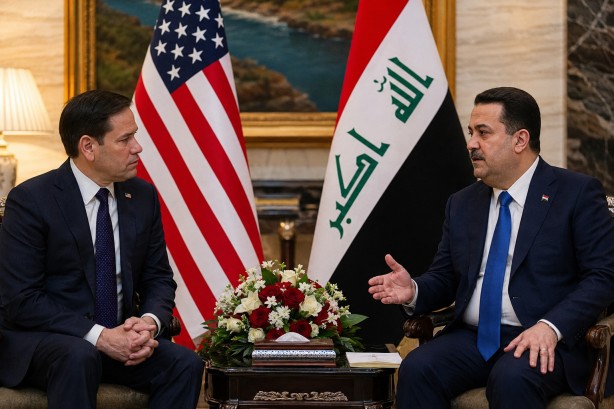
Iraqi Prime Minister Ali Al Zaidi recently wrapped up a significant visit to Washington, where he successfully negotiated economic agreements aimed at enhancing the relationship between Iraq and the United States. This visit underscored Iraq’s intentions to lure foreign investment and bolster security cooperation, while Al Zaidi positioned himself as a leader dedicated to reform.
The discussions were well-received by U.S. officials, yet experts caution that realizing the commitments made—particularly those related to security reforms and economic modernization—poses considerable challenges. These challenges are largely attributed to Iraq’s complex internal political landscape and the considerable influence wielded by Iran-backed groups.
Analysts emphasize the necessity for Baghdad to adeptly manage its diplomatic ties with both Washington and Tehran, especially as regional tensions continue to simmer. The intricate balancing act required of Iraq is crucial to sustaining the positive momentum generated by Al Zaidi’s visit.
Although the visit has laid the groundwork for potentially fruitful cooperation, its success in the long term hinges on Iraq’s ability to implement meaningful reforms and maintain steady relationships with its major partners. This delicate diplomacy will be a critical test for Al Zaidi as he seeks to navigate the geopolitical challenges facing his nation.