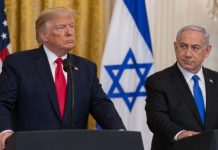
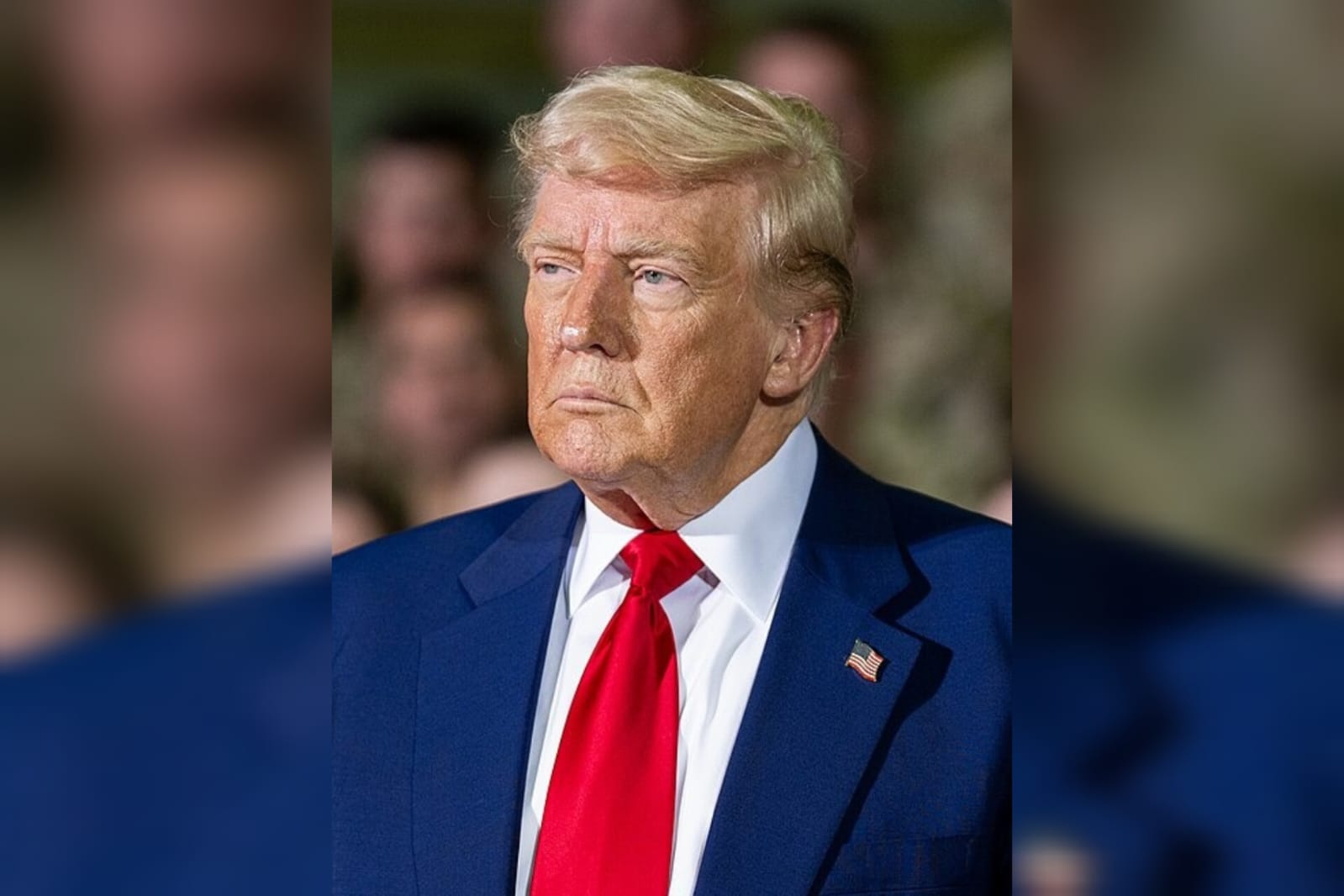
In a significant diplomatic development, U.S. President Donald Trump announced that a newly signed agreement between the United States and Iran considerably mitigates the security threats faced by Israel. Trump conveyed to Israeli Prime Minister Benjamin Netanyahu that the deal, which includes a 14-point memorandum, effectively neutralizes the possibility of a nuclear attack by Tehran, addressing a primary Israeli concern.
During remarks to the press following the agreement’s signing, Trump emphasized that the deal serves as a crucial security assurance for Israel, underscoring that it effectively prevents any nuclear threat from Iran. He characterized the agreement as the most critical security guarantee for Israel, adding that it ensures the country will not face a nuclear strike. Trump noted that he personally discussed the terms of the agreement with Netanyahu before finalizing it, framing the accord as a strategic shield bolstering Israel’s long-term security.
The pact, established between Washington and Tehran, initiates a 60-day negotiation phase focusing on Iran’s nuclear ambitions while incorporating measures to reopen significant trade routes and alleviate certain sanctions. Furthermore, it includes provisions aimed at enhancing regional stability, although contentious issues like Israel’s military activities in Lebanon remain unresolved and politically delicate.
Despite the U.S. administration’s portrayal of the deal as a triumph for security, reactions within Israel have been polarized. Critics argue that reducing pressure on Iran might inadvertently bolster its regional influence, whereas proponents of diplomatic engagement believe it could diminish the likelihood of broader conflict. This division highlights ongoing debates about the effectiveness of the agreement in maintaining regional peace.
Israeli leaders are also grappling with domestic scrutiny regarding their regional policy strategies, as political adversaries claim recent actions reflect strategic errors. As negotiations proceed, the complete execution and lasting effects of the agreement remain uncertain, leaving the region to watch closely as developments unfold.