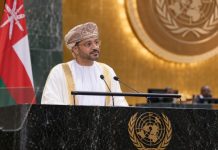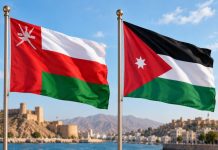
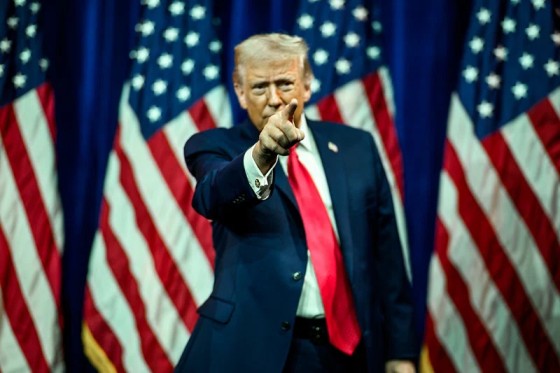
In a stern warning, US President Donald Trump cautioned Oman against any attempts to influence control over the Strait of Hormuz, a critical artery for global oil shipments. During a cabinet meeting, Trump emphasized that the strait must remain open to all and no single nation should dominate it. His comments followed reports of discussions between Iran and Oman about potentially imposing transit fees on vessels navigating through the vital waterway.
Trump assured that the United States would persist in its efforts to monitor the Strait of Hormuz and uphold freedom of navigation. He issued a pointed warning to Oman, asserting it must comply with international expectations, or face significant repercussions. The strait is pivotal, channeling nearly 20% of the world’s oil supply, and has been a focal point of tension amid the escalating US-Israel conflict involving Iran, raising alarms about energy security and regional stability.
Historically, Oman, a steadfast ally of the United States, has assumed a role of mediator in regional disputes, often facilitating diplomatic dialogues between Iran and Western nations. The current situation places Oman in a delicate position, balancing its traditional diplomatic engagements with the expectations set forth by the US.
Trump also accused Iran of stalling ongoing negotiations, suggesting that Tehran might be strategizing to delay proceedings until after the upcoming US midterm elections, anticipating a more favorable political landscape. This assertion underscores the intricate dynamics at play, as regional and international actors navigate the complexities of geopolitical and economic interests in the Gulf region.