
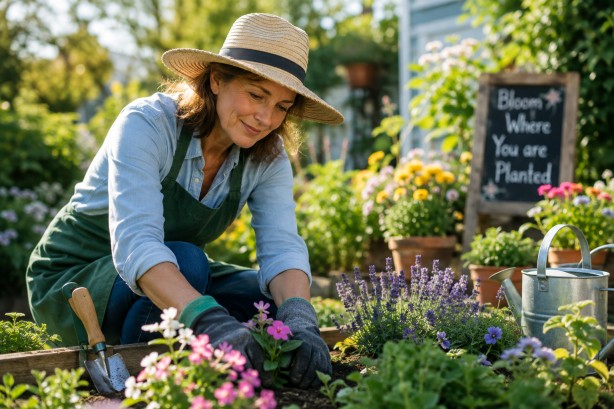
Gardening is more than just a soothing pastime; it offers a multitude of benefits that extend beyond creating a picturesque garden. Engaging in regular gardening activities can enhance overall well-being by combining physical exercise, outdoor exposure, sensory engagement, and a deep connection with nature. Research has highlighted numerous advantages of gardening for both physical and mental health, underscoring its potential role in fostering a healthier lifestyle.
One key benefit is the support gardening provides for cognitive health. The activity involves movement, planning, and the use of various senses as gardeners choose plants, remember care routines, and handle soil. This regular mental stimulation has been linked to improved cognitive functioning, as it melds physical activity with mental engagement and mood enhancement.
Gardening also serves as a stress reliever. Being surrounded by greenery creates a tranquil environment, helping to alleviate stress. Activities like watering, pruning, and planting offer a respite from daily pressures, contributing to lower stress levels and better overall health. Furthermore, gardening can enhance mental well-being by instilling a sense of purpose and achievement. Watching plants thrive and dedicating time to their care encourages outdoor activity and distraction from everyday concerns, leading to better mood, reduced anxiety, and increased life satisfaction.
In addition to mental benefits, gardening promotes physical activity. Tasks such as digging, planting, and watering engage different muscle groups, providing a practical way to incorporate more movement into daily life. Especially for those who lead sedentary lifestyles, gardening offers a meaningful way to stay active. Moreover, spending time outdoors while gardening exposes individuals to daylight, aiding in vitamin D production crucial for bone health, immune function, and overall wellness. It’s important, however, to balance sun exposure with protective measures, especially during peak sunlight hours.
Ultimately, the myriad benefits of gardening can contribute to long-term health improvements. The combination of physical activity, reduced stress, outdoor engagement, and healthier lifestyle habits associated with gardening has been linked to better cardiovascular health and lower risks of lifestyle-related conditions, particularly among older adults. While gardening alone isn’t a guarantee of longevity, incorporating it into a balanced lifestyle can support healthier aging. Whether tending to a few herbs, nurturing indoor plants, or caring for a garden, gardening offers a simple yet effective way to integrate physical activity, outdoor time, and mental relaxation into everyday life.