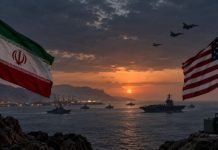
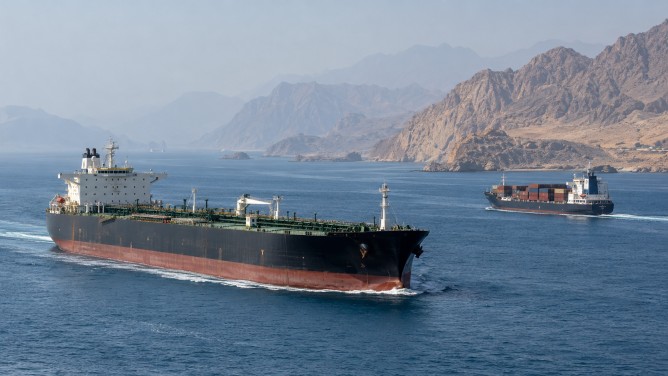
Iran’s Foreign Minister Abbas Araghchi announced that the Strait of Hormuz could potentially reopen within six days if the United States agrees to Tehran’s conditions. These conditions include the lifting of the U.S. blockade on Iranian ports, the removal of sanctions on Iranian oil exports, and the cessation of hostilities across regional fronts. The possibility of reopening is contingent on the U.S. response to Iran’s proposal, with negotiations possibly resuming on the seventh day.
The Strait of Hormuz is a critical global shipping route, previously facilitating approximately one-fifth of the world’s oil and liquefied natural gas trade. The ongoing disruption poses significant risks to international energy markets, stressing the importance of a resolution.
A major sticking point in negotiations is the disagreement over Iran’s nuclear program. The U.S. demands discussions on nuclear issues, including uranium enrichment, as a priority, whereas Iran insists that talks should initially focus on the reopening of the strait and restoring security in the region.
In a separate statement, Iran’s Defense Minister Mehrdad Akhlaghi warned that renewed U.S. military actions would inflict “enormous damage” on Washington and its allies in the region. Akhlaghi expressed confidence in Iran’s capability to respond to any further attacks.
The future of negotiations remains uncertain as both sides are entrenched in their positions regarding the conditions for ending hostilities. The resolution of these issues is crucial for the reopening of the strategically significant Strait of Hormuz.