
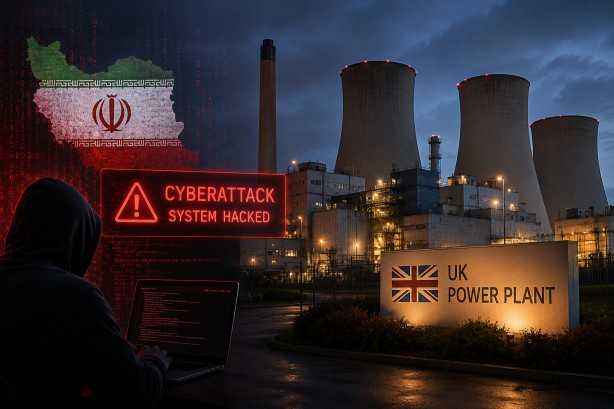
A cyberattack attributed to hackers with ties to Iran has temporarily disabled a small power generator in Britain, signaling a potential increase in cyber threats against the nation. The incident, which took place last month, resulted in the power facility being offline for four days. Despite the disruption, the UK government assured that the attack did not pose a risk to the broader electricity network or national energy supply.
The Department for Energy Security and Net Zero clarified that the affected plant was a minor generator, reiterating that the UK’s overall energy infrastructure remains secure and robust. Additionally, the National Cyber Security Centre (NCSC) reported no interruptions affecting major, regulated power stations. This reassurance comes amid rising tensions between the UK and Iran, exacerbated by Britain’s decision to allow the United States to carry out defensive operations from US-operated bases within the UK. Iran has countered with warnings that these bases could be deemed legitimate targets if used for actions against its territory.
Concerns about the vulnerability of critical infrastructure have been reignited by this event, especially given the ongoing warnings from Western security agencies about Iran-linked groups targeting such systems. The United States has previously accused the Iran-associated CyberAv3ngers group of infiltrating infrastructure across various sectors. The latest cyberattack underscores the persistent cybersecurity threat posed by state-affiliated actors.
This incident highlights the ongoing need for heightened vigilance and improved security measures to protect critical infrastructure from cyber incursions. As international tensions continue to escalate, ensuring the resilience of essential systems against such threats remains a top priority for national security agencies.