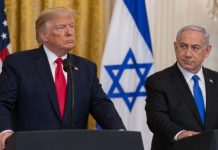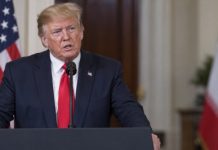
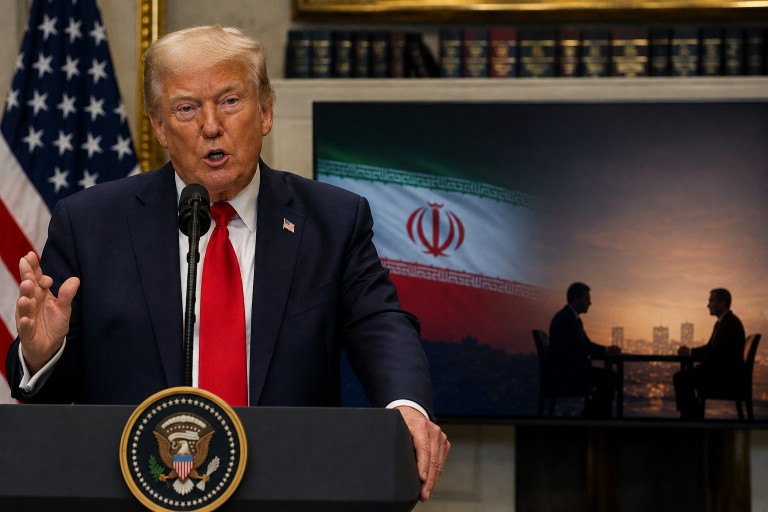
President Donald Trump announced that a planned military strike on Iran was called off after receiving indications that negotiations were nearing a framework agreement. This potential agreement aims to reopen the Strait of Hormuz and address longstanding concerns surrounding Iran’s nuclear program. According to Trump, the decision to halt the military action was influenced by requests from Iran and other Middle Eastern nations, with Israel reportedly supporting the move.
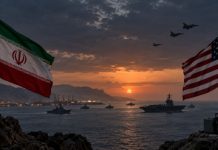
However, Iran quickly dismissed Trump’s statement, denying that it had requested the cancellation of the attack. Iranian officials labeled the claim as false and maintained that their armed forces remain on high alert. They issued warnings that any military intervention by the United States or Israel would meet with a strong response, potentially targeting regional energy infrastructure.
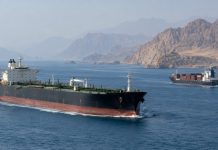
These developments come amid heightened tensions that have kept global energy markets in a state of uncertainty. The possibility of disruptions in shipping through the crucial Strait of Hormuz has caused ongoing concerns over oil supplies and regional security. The strait is a vital passage for the global oil trade, and any instability in the region could have significant repercussions on energy distribution worldwide.
The situation highlights the fragile balance of power and diplomatic relations in the Middle East, with the Strait of Hormuz at the center of geopolitical interests. Trump’s decision to pause military action underscores the complexity of addressing nuclear concerns while maintaining regional stability. Meanwhile, the international community watches closely, aware that any escalation could have far-reaching impacts on global energy prices and economic stability.